



Introduction
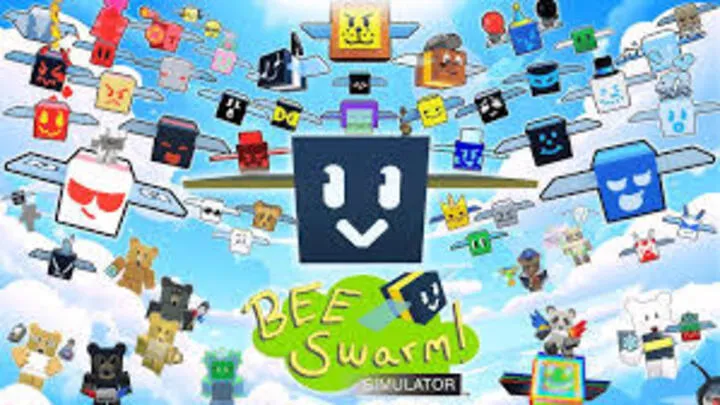
Within the creative universe of Roblox, few simulator games have achieved the long-term popularity and depth of Bee Swarm Simulator. Developed by Onett, the game transforms a simple concept—collecting pollen and making honey—into a complex ecosystem of progression, strategy, and cooperative gameplay.
At first glance, the gameplay appears relaxing: players gather pollen from flower fields using their bees. However, beneath this simple loop lies a layered system involving hive management, rare bee collection, event cycles, and an evolving in-game economy. Over time, Bee Swarm Simulator has grown into one of the most detailed simulator experiences on Roblox, blending idle mechanics with active gameplay and long-term progression goals.

1. The Origins of the Hive System
At the center of Bee Swarm Simulator is the hive—a customizable structure where players store and manage their bees.
Players begin with only a few basic bees, but the hive gradually expands as they progress.
Core Hive Features
- Bee slots for expansion
- Individual bee levels
- Unique bee abilities
- Visual hive customization
Each bee contributes differently to pollen collection and combat, making hive composition an important strategic element.
From Simplicity to Strategy
What begins as a small collection of bees eventually becomes a carefully optimized system designed for efficiency.
2. The Pollen-to-Honey Conversion Loop
The primary gameplay loop revolves around collecting pollen and converting it into honey.
This loop forms the economic foundation of the entire game.
Basic Gameplay Cycle
- Collect pollen from flower fields
- Return to hive
- Convert pollen into honey
- Use honey to upgrade equipment and bees
This cycle is repeated continuously, with increasing efficiency over time.
Incremental Growth
As players upgrade tools and bees, they can collect larger amounts of pollen, accelerating progression.
3. Bee Types and Rarity System
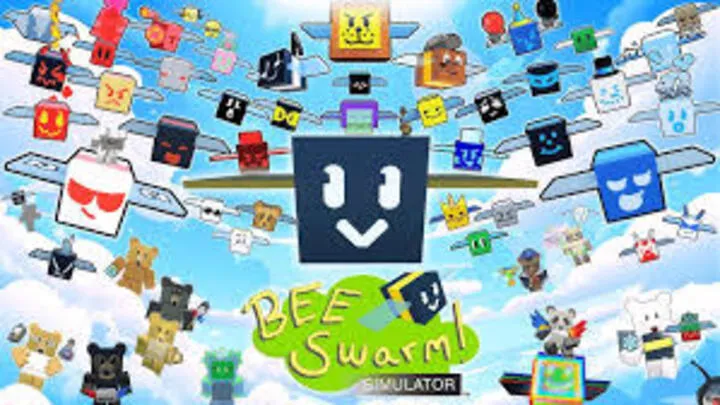
One of the most engaging aspects of the game is the variety of bees.
Each bee has unique abilities and belongs to a rarity tier.
Bee Rarity Levels
- Basic
- Rare
- Epic
- Legendary
- Mythic
Higher rarity bees offer stronger abilities and greater efficiency.
Ability Diversity
Different bees can:
- Boost pollen collection
- Increase movement speed
- Generate special tokens
- Support combat
Building a balanced hive becomes essential for success.
4. Fields and Environmental Variety
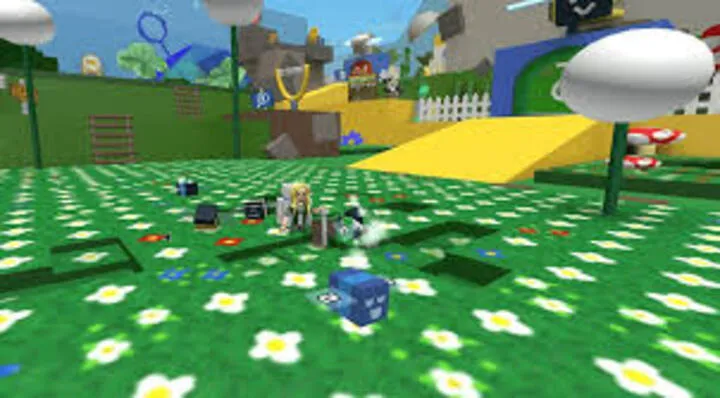
The game world is divided into multiple flower fields.
Each field contains different types of flowers and challenges.
Example Fields
- Sunflower Field
- Clover Field
- Pine Tree Forest
- Coconut Field
Each area has unique pollen values and resource potential.
Unlocking New Areas
Access to advanced fields requires:
- Higher bee levels
- Completing quests
- Unlocking zones
This progression system encourages exploration.

5. Quest System and NPC Interaction
Quests are a major driver of progression in Bee Swarm Simulator.
Players receive tasks from various NPCs across the map.
Quest Objectives
- Collect specific amounts of pollen
- Defeat enemies
- Use certain abilities
- Explore new areas
Completing quests rewards players with valuable items and honey.
Narrative Elements
While not heavily story-driven, the game includes light lore through NPC dialogue.
6. Combat and Enemy Mechanics
Although primarily a simulator, the game includes combat elements.
Players and their bees can fight enemies that appear in different zones.
Common Enemies
- Ladybugs
- Spiders
- Beetles
- Boss creatures
Enemies drop rewards that contribute to progression.
Combat Strategy
Stronger bees and better hive setups improve combat efficiency.
7. Tokens and Ability Effects
During gameplay, bees generate tokens that grant temporary boosts.
These tokens add a dynamic layer to pollen collection.
Token Types
- Instant pollen boosts
- Movement speed increases
- Conversion bonuses
- Attack boosts
Collecting tokens quickly becomes a key skill for maximizing efficiency.
Visual Feedback
Tokens appear as glowing icons, encouraging fast movement and active gameplay.
8. Seasonal Events and Beesmas
One of the most important aspects of the game is its seasonal events.
The most famous event is Beesmas, a winter-themed celebration.
Beesmas Features
- Limited-time quests
- Exclusive rewards
- Unique bee skins
- Special decorations
These events bring players back to the game regularly.
Community Engagement
Events create a shared experience across the player base.
9. Advanced Progression and Endgame Goals
As players reach higher levels, the game introduces more complex systems.
Endgame Features
- Mythic bees and rare items
- Advanced equipment
- High-level zones
- Optimization strategies
Players begin focusing on efficiency rather than simple progression.
Optimization Culture
Endgame players often analyze:
- Best bee combinations
- Maximum pollen output
- Ideal farming routes
This transforms the game into a strategic simulation.
10. Why Bee Swarm Simulator Remains Popular
Despite being released years ago, the game continues to attract players.
Its success lies in its balance between simplicity and depth.
Key Reasons for Longevity
- Relaxing gameplay loop
- Deep progression systems
- Frequent updates and events
- Strong community
These elements keep both new and veteran players engaged.
A Living Simulator
The game evolves over time with new bees, mechanics, and seasonal updates.
Conclusion
Bee Swarm Simulator stands as one of the most successful simulator games on Roblox by transforming a simple pollen-collecting mechanic into a rich, evolving system of strategy and progression. Through its hive management, diverse bee types, quest systems, and seasonal events like Beesmas, the game creates a continuous sense of growth and discovery. Players begin with a small hive and gradually build a powerful swarm capable of collecting massive amounts of pollen and conquering challenging enemies. By combining relaxing gameplay with deep optimization and community-driven events, Bee Swarm Simulator has secured its place as a long-lasting and influential experience within the Roblox platform.